Preconvention Workshops: Friday, May 28
Convention: Saturday, May 29 - Monday, May 31
New Orleans Ernest N. Morial Convention Center and Hilton New Orleans Riverside
Invited Presenters
The following speakers will be presenting in New Orleans, LA. Please check back regularly for additional details!
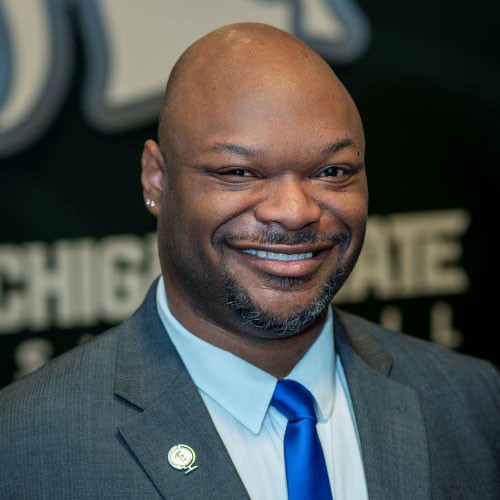
KASTON D. ANDERSON JR. (Michigan State University)
Dr. Kaston D. Anderson Jr. is an Associate Professor of Psychology at Michigan State University and Research Director at The Alternative Sexualities Health Research Alliance. A Board Certified Behavior Analyst-Doctoral and licensed behavior analyst, he earned his Ph.D. in behavioral psychology from the University of Kansas, completed postdoctoral training in addiction health services research at UCLA, and holds graduate degrees in public health, experimental psychology, and applied behavior analysis.
His scholarship integrates behavior analysis, public health, and community-engaged research to examine how social and structural determinants shape substance use, mental health, and well-being among marginalized and underserved communities. He has authored more than 40 scholarly publications and received federal and pharmaceutical funding for work addressing health equity, addiction, HIV prevention, and behavioral health. His textbook, Health Psychology: Multicultural and Global Perspectives (Cognella, 2026), examines behavioral and psychological processes shaping health inequities across local, national, and international communities and systems alike.
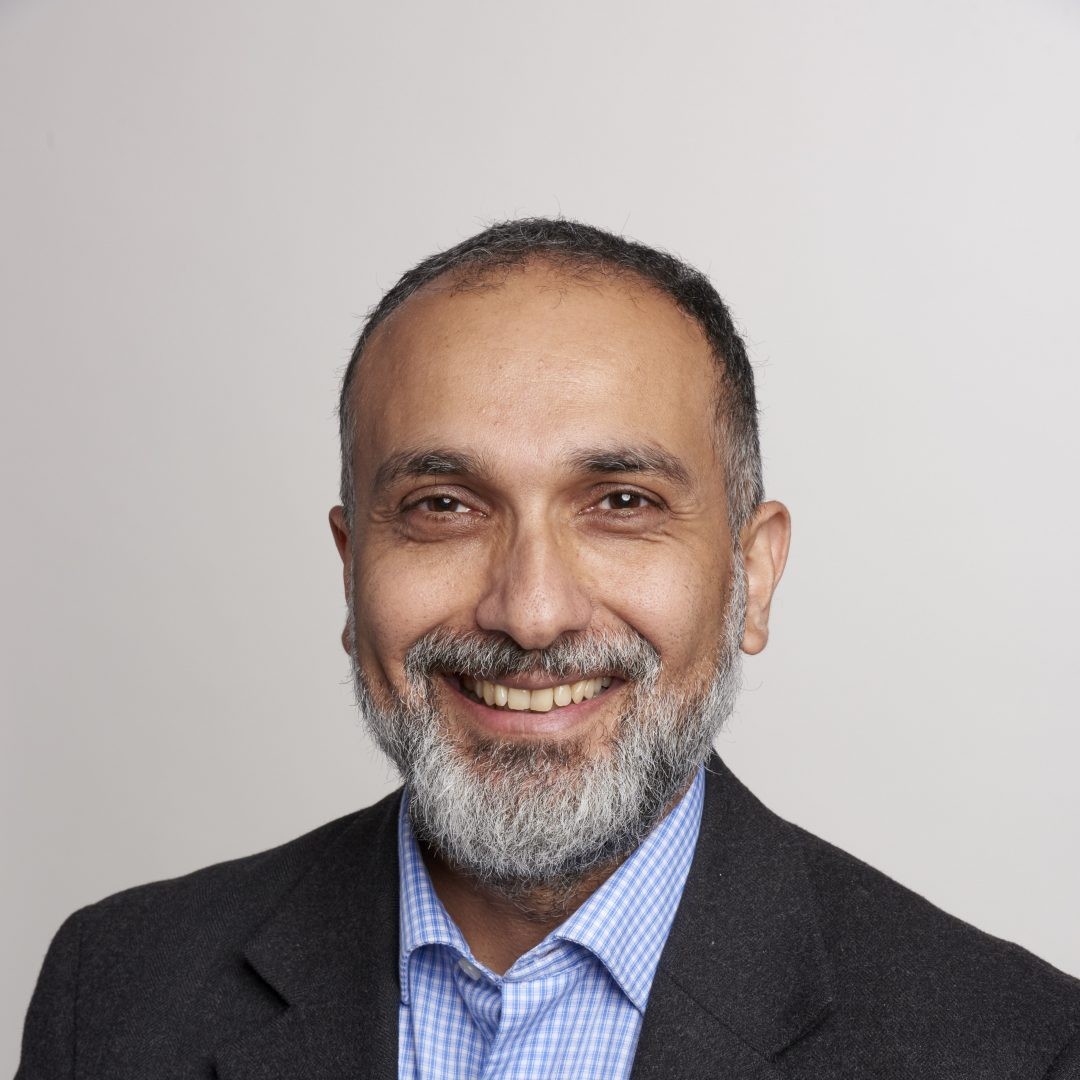
MANISH ARORA (Icahn School of Medicine at Mount Sinai; LinusBio)
Manish Arora is the founder and CEO of LinusBio, a precision medicine clinical-stage company. Dr. Arora, an environmental epidemiologist and exposure biologist, is also the Edith J.Baerwald Professor and Vice Chairman of the Department of Environmental Medicine and Public Health at the Icahn School of Medicine at Mount Sinai.
Dr. Arora’s research focuses on the effects of prenatal and early life chemical exposures on lifelong health trajectories. In 2020, he and colleagues proposed the “Biodynamic Interface Theory,” a novel theoretical framework that explains how the environment interacts with physiology in a dynamic way over time. This theory has the potential to shift the paradigm of environmental health research from a static to a more nuanced dynamic view of health throughout the life course. In Dr. Arora’s own research, environmental dynamic principles paved the way for his groundbreaking work on the tooth and hair biomarkers. Dr. Arora led this technology to an FDA Breakthrough Designation for an autism biomarker that can be applied at birth. Dr. Arora is currently the Principal Investigator or Co-Investigator of eight research projects funded by the National Institute of Environmental Health Sciences (NIEHS), including the Human Health Exposure Analysis Resource (HHEAR) Untargeted Center grant and the R35/RIVER grant. He has received multiple honors throughout his career, including the Presidential Early Career Award for Scientists and Engineers (PECASE) awarded by President Barack Obama in 2015 and the National Institutes of Health Director’s New Innovator Award in 2014.
Dr. Arora is the author of the book Environmental Biodynamics: A New Science of How the Environment Interacts with Human Health, published by Oxford University Press in December 2021.
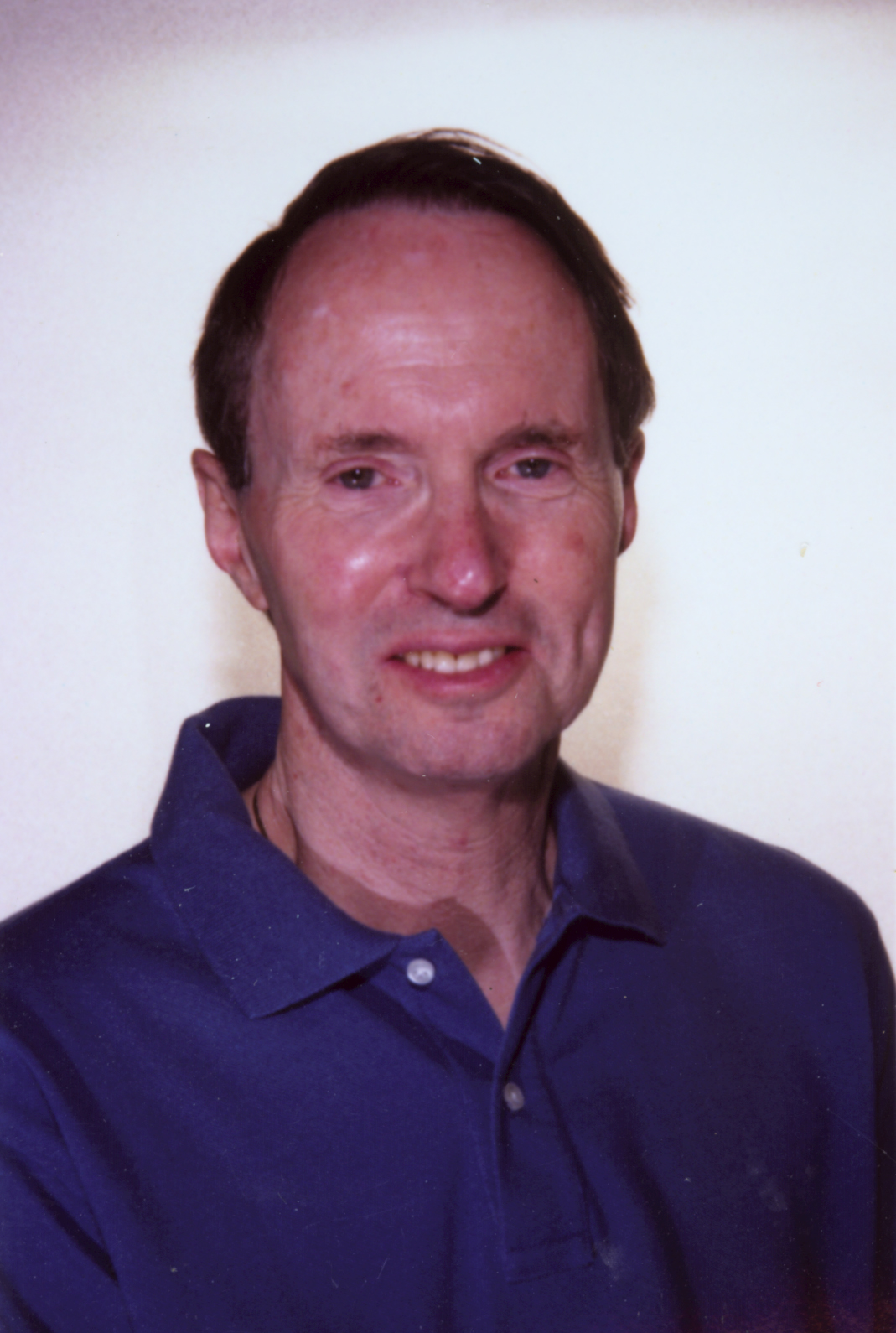
SAUK AXELROD (Temple University)
Saul Axelrod is Professor Emeritus of Education and Applied Behavior Analysis at Temple University where he was a faculty member from 1972 - 2011. He received his doctorate from Florida State University and later did a postdoctoral fellowship at the University of Kansas. His foremost interest is in applying behavior analysis principles in all educational environments. His goals throughout his career have been to make ABA into a mainstream approach to human problems and to improve the human condition through behavioral science.
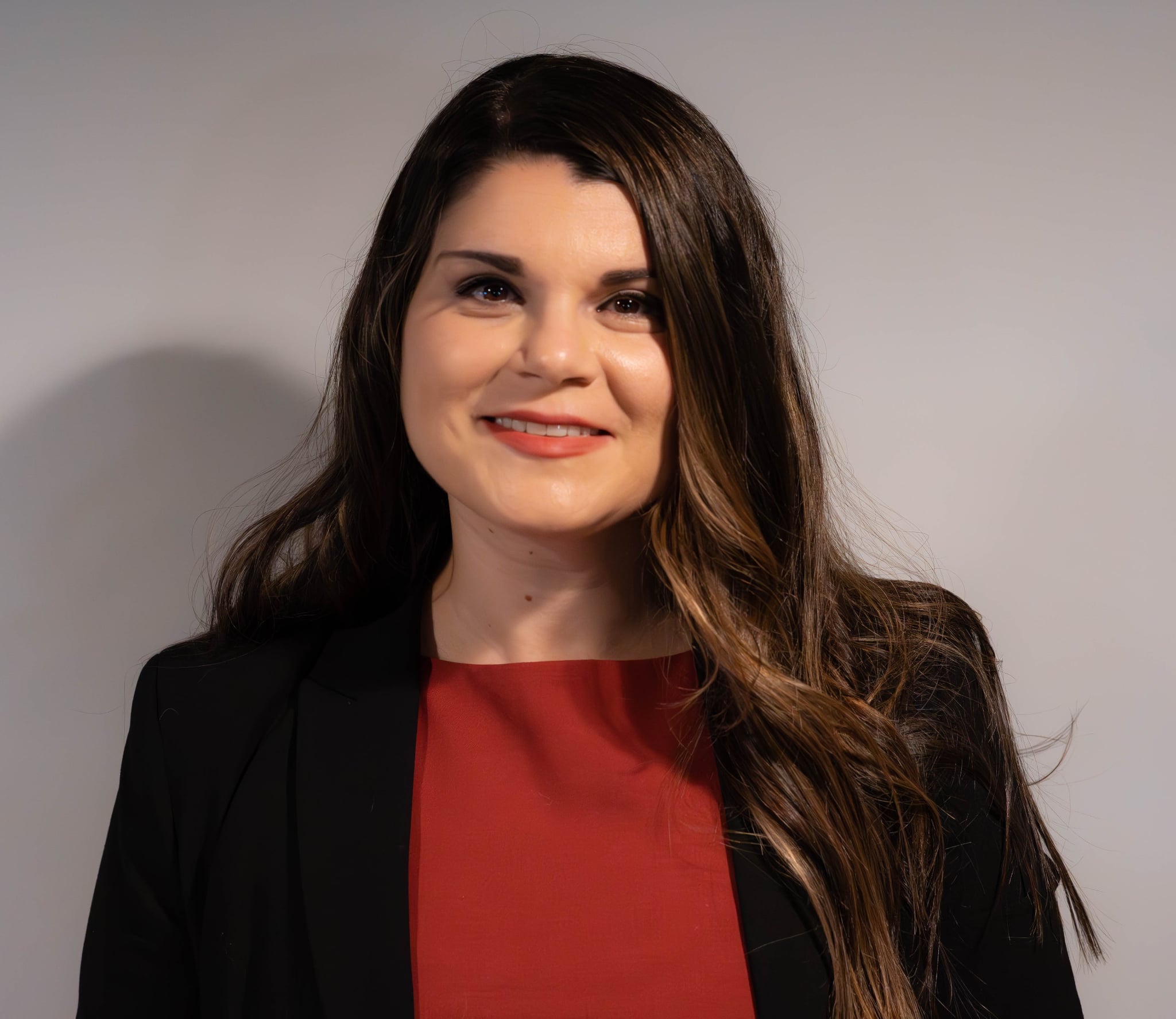
MIRELA CENGHER (University of Maryland, Baltimore County)
Mirela Cengher, Ph.D., is an Associate Professor of Psychology at the University of Maryland, Baltimore County. She is a Board Certified Behavior Analyst–Doctoral Level and a licensed behavior analyst in Maryland. Dr. Cengher began working with children with developmental disabilities as an undergraduate student in Romania and later moved to the United States for graduate training in behavior analysis. She earned her Ph.D. in Psychology from The Graduate Center, City University of New York, and completed a postdoctoral fellowship at the Kennedy Krieger Institute and the Johns Hopkins University School of Medicine.
Dr. Cengher has over 20 years of combined research and clinical experience with individuals with developmental disabilities. Her research program integrates verbal behavior and stimulus control, with a focus on variables that influence the acquisition of verbal behavior and the emergence of derived relations. More recently, her work has emphasized bilingual language acquisition in individuals with developmental disabilities. Her research is supported by internal and external funding, including awards from the Organization for Autism Research, the Society for the Experimental Analysis of Behavior, and the Sherman Center for Early Learning in Urban Communities.
Dr. Cengher serves as Associate Editor for Behavior Analysis in Practice and The Analysis of Verbal Behavior, is an editorial board member for several journals, including the Journal of Applied Behavior Analysis, and is actively involved in professional leadership.
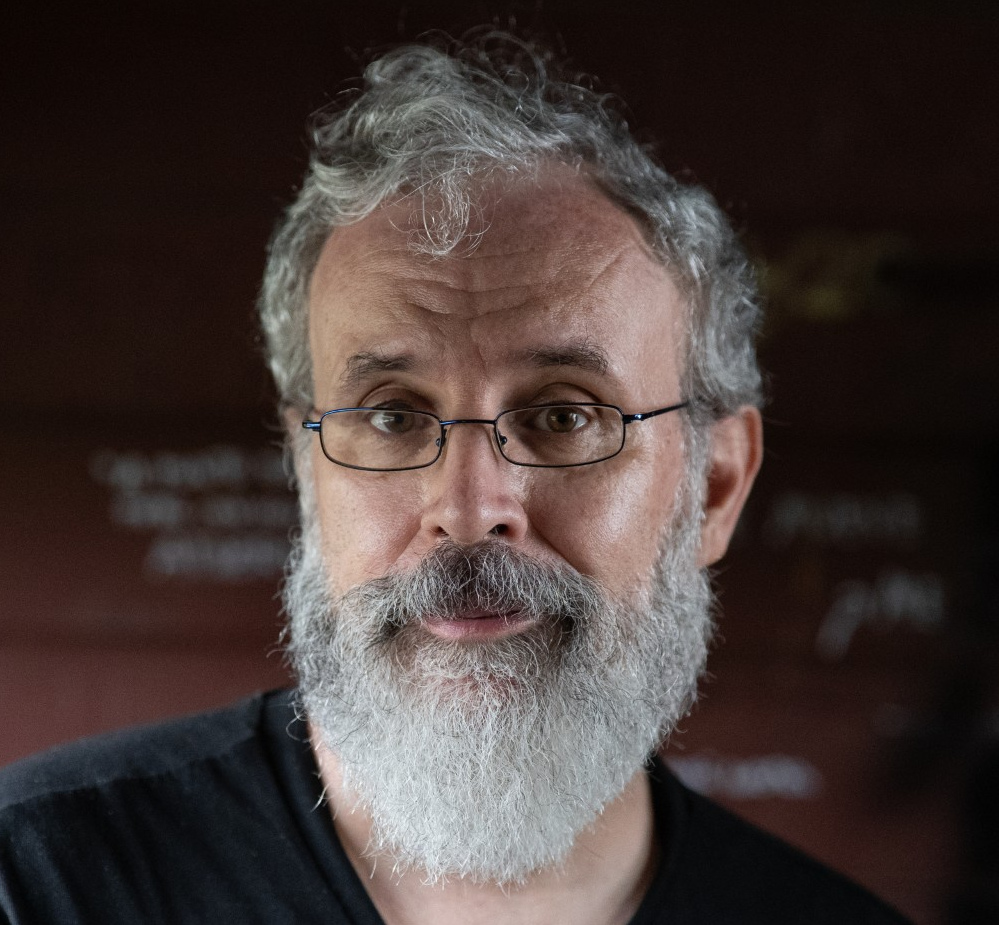
EZEQUIEL A. DI PAOLO (Ikerbasque Basque Foundation for Science)
Ezequiel A. Di Paolo is a Research Professor working at Ikerbasque, the Basque Science Foundation in Spain, and a Visiting Professor at the Department of Informatics, University of Sussex, UK. His interdisciplinary research on embodied and enactive approaches to life, mind, and society integrates work from cognitive science, neuroscience, phenomenology, philosophy of mind, and computational modelling. His research focus is on enactive theory, embodied intersubjectivity, language, ethics, and participatory sense-making. He is (co)author of over 200 publications, including the books Sensorimotor Life: An Enactive Proposal (2017, Oxford University Press) and Linguistic Bodies. The Continuity between Life and Language (2018, MIT Press). He is a co-editor of the annotated edition of Francisco Varela’s Principles of Biological Autonomy (2025, MIT Press) and the author of A-Z of Embodied Cognition: Key Terms and Essential Concepts (2027, Routledge).
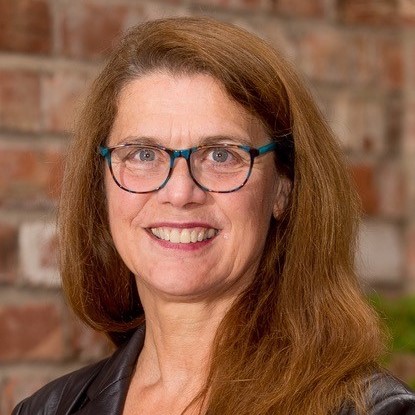
KAROLA DILLENBURGER (Queen’s University Belfast)
Karola Dillenburger PhD. is Professor of Behaviour Analysis and Education and Founding Director of the Centre for Behaviour Analysis at Queen’s University Belfast, Northern Ireland.
Karola is a Board Certified Behaviour Analyst-Doctoral (BCBA-D), Clinical Psychologist (HCPC), and certified UK-Behaviour Analyst (UKBA). She is the President of the European Association for Behaviour Analysis (EABA).
Karola is published widely, including nine books and many multimedia training resources. Her research focuses mainly on neurodivergence, evidence-based interventions, behavioural parent training, parenting people with disabilities across the lifespan, bereavement, and trauma. She actively promotes professional recognition of behaviour analysts worldwide. She was awarded the Gold Medal from Masaryk University, Brno, Czech Republic.
CLAUDI DROSSEL (Eastern Michigan University)
Claudia Drossel is an associate professor at Eastern Michigan University (EMU), a licensed clinical psychologist, and a researcher who specializes in behavior analytic approaches to case formulations. Her work focuses on late-life behavioral health, including the assessment and management of emotional and behavioral changes associated with cognitive loss, and she offers specialty training in the modular application of evidence-based practices with caregivers and adults aged 60 and older at EMU’s outpatient Community Behavioral Health Clinic.
SIGMUND ELDEVIK (Oslo Metropolitan University)
Sigmund Eldevik is a Professor at the Department of Behavioral Science, Oslo Metropolitan University, in Norway. He teaches courses in behavior analysis, ethics and early intervention for children with neurodevelopmental disorders. He is a clinical psychologist from the University of Oslo, and a BCBA-D. His doctoral degree is from the University of Bangor, Wales. He works part time at the Center for Early Intervention in Oslo as a clinical psychologist. At OsloMet he is the leader of the research group “Applied and Experimental Behavior Analysis in Clinical Practice”. He has extensive experience in carrying out outcome research and reviews.

LAURA ELLINGSON (Santa Clara University)
Laura L. Ellingson, Ph.D., is the Patrick A. Donohoe, S. J. Professor of Communication at Santa Clara University and a Distinguished Scholar of the National Communication Association. Her research explores communication in healthcare, embodiment, and transgressing traditional methodological boundaries. In addition to over seventy journal articles and chapters in handbooks and edited collections, she is the author of six books. Ellingson’s pathbreaking work in qualitative and arts-based research methodologies includes: Engaging Crystallization in Qualitative Research (Sage), Embodiment in Qualitative Research (Routledge), and Making Data in Qualitative Research: Engagements, Ethics, and Entanglements (with Dr. Patty Sotirin; Routledge). She is a former Senior Editor for qualitative research at Health Communication.
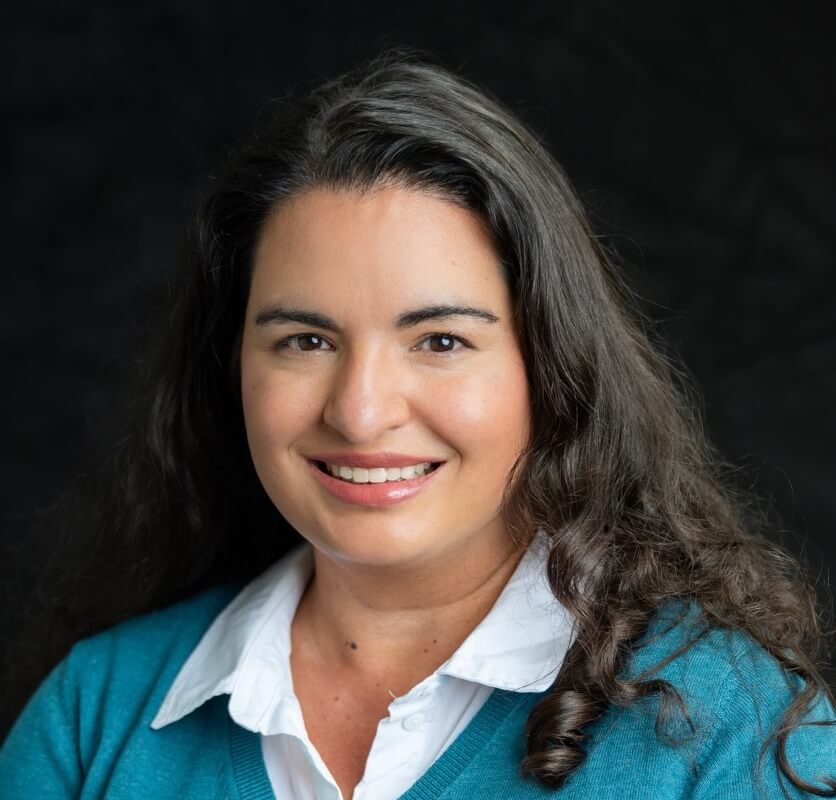
MARIEL FERNANDEZ (Council of Autism Service Providers)
Mariel Fernandez is Vice President of Government Affairs at the Council of Autism Service Providers (CASP) and a Board-Certified Behavior Analyst (BCBA) licensed in Texas. She earned her master’s degree in applied behavior analysis from Auburn University in 2004. A passionate advocate for access to evidence-based care, Mariel leads CASP’s advocacy, public policy, and legislative efforts at the state and federal levels. She serves on the Texas Department of Licensing and Regulation Behavior Analyst Advisory Board and is a former President of the Texas Association for Behavior Analysis Public Policy Group.
Mariel works closely with state regulatory and legislative agencies, Medicaid programs, and offices of insurance, inspectors general, and attorneys general. At the federal level, she engages with HHS OIG, CMS, the Defense Health Agency, Office of Personnel Management (OPM), and the Office of Management and Budget (OMB) on issues affecting behavior analysts and access to autism services. In 2026, she received the APBA Jerry Shook Award for her efforts to protect access to care for TRICARE and Medicaid beneficiaries nationwide.
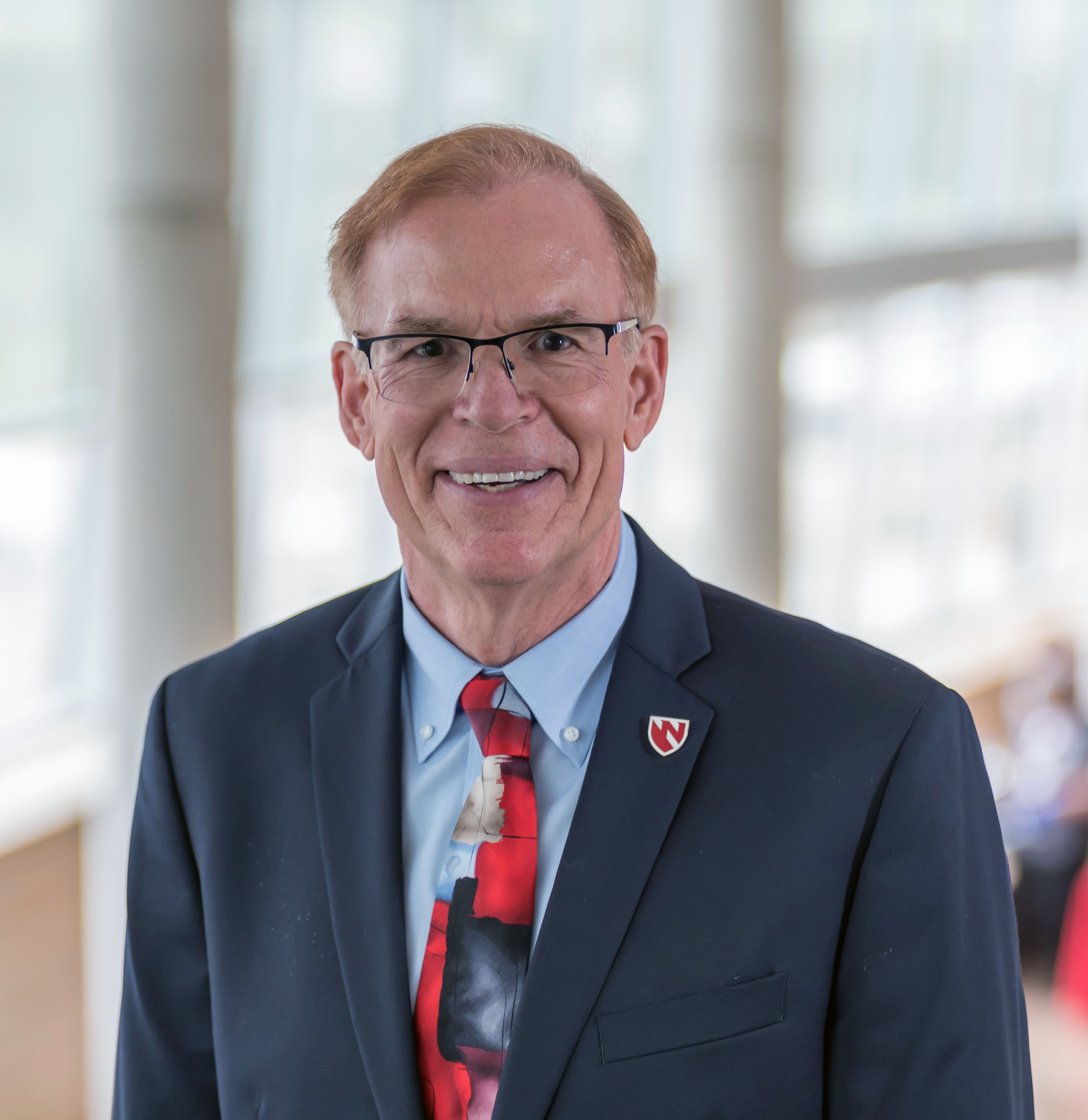
WAYNE FISHER (Rutgers University)
Wayne Fisher is the Henry Rutgers Endowed Professor of Pediatrics in the Rutgers Robert Wood Johnson Medical School, a core faculty member of the Brain Health Institute, and the executive director/principal investigator for the New Jersey Autism Center of Excellence (NJACE). Fisher built clinical research programs with international reputations for excellence at Rutgers, the University of Nebraska Medical Center (UNMC), the Marcus Autism Center, and the Kennedy Krieger Institute at the Johns Hopkins University School of Medicine. His methodologically sophisticated research has focused on mathematical models of behavior, preference assessment, choice responding, and the assessment and treatment of autism and severe behavior disorders. He has published 225 peer-reviewed papers in over 30 different journals. Fisher has had near-continuous federal grant support for his research since 1999. He is a past editor of the Journal of Applied Behavior Analysis and the recipient of numerous research awards.
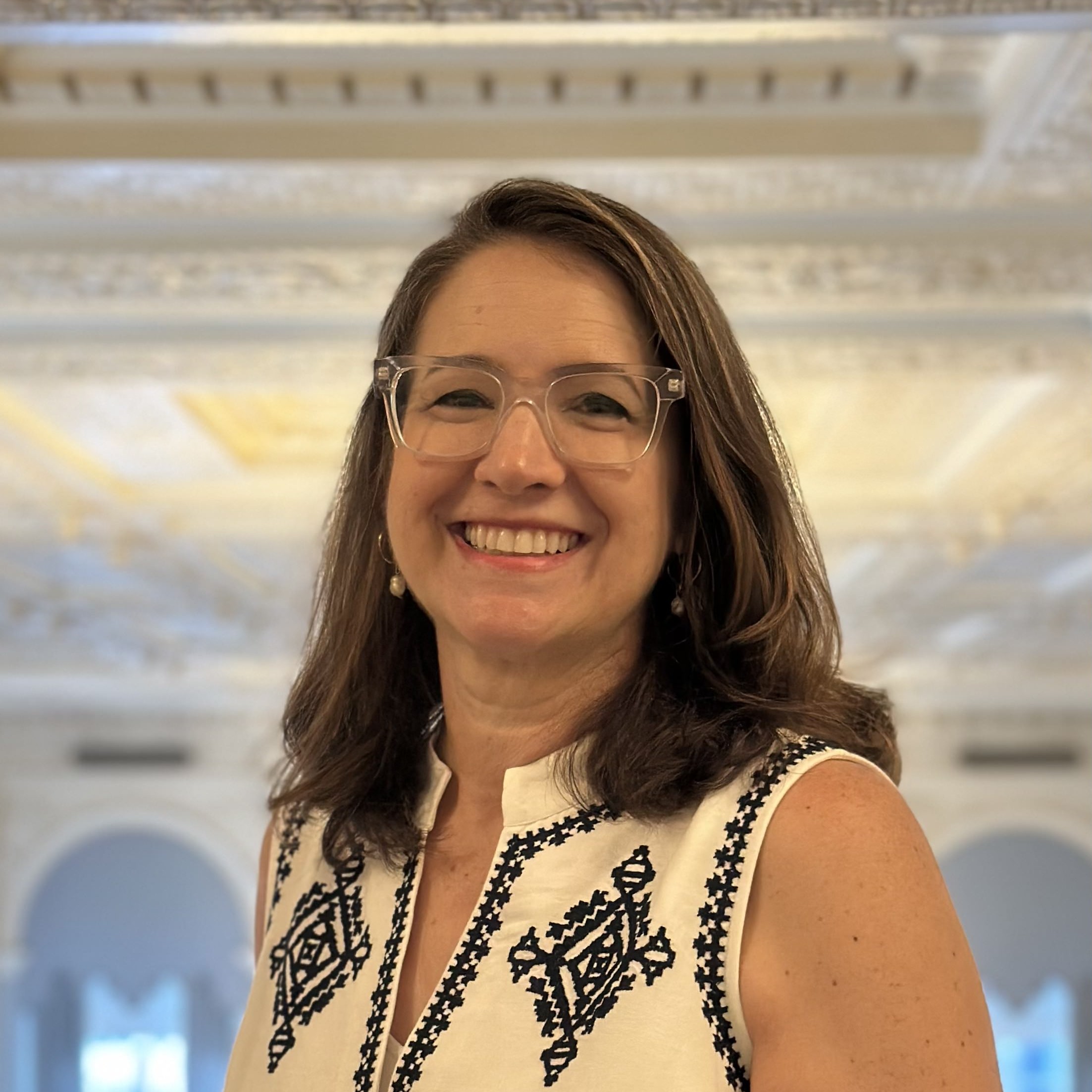
ALYCIA HALLADAY (Autism Science Foundation)
Alycia Halladay is the Chief Science Officer of the Autism Science Foundation where she has been for the past 12 years. Prior to joining ASF she was the Senior Director of Clinical and Environmental Sciences at Autism Speaks. Collectively, she has spent over two decades in research, science, and advocacy, understanding autism. This includes previous work at Rutgers University where she received a PhD and completed a fellowship in pharmacology and toxicology examining the role of neurotoxicants in model systems of autism. She has authored over 3 dozen scientific publications in autism spectrum disorders, manages collaborative networks in autism and oversees the scientific funding of the Autism Science Foundation. She hosts a biweekly podcast which explains new autism science to the community, and is also the parent to a 16 year old daughter on the spectrum.
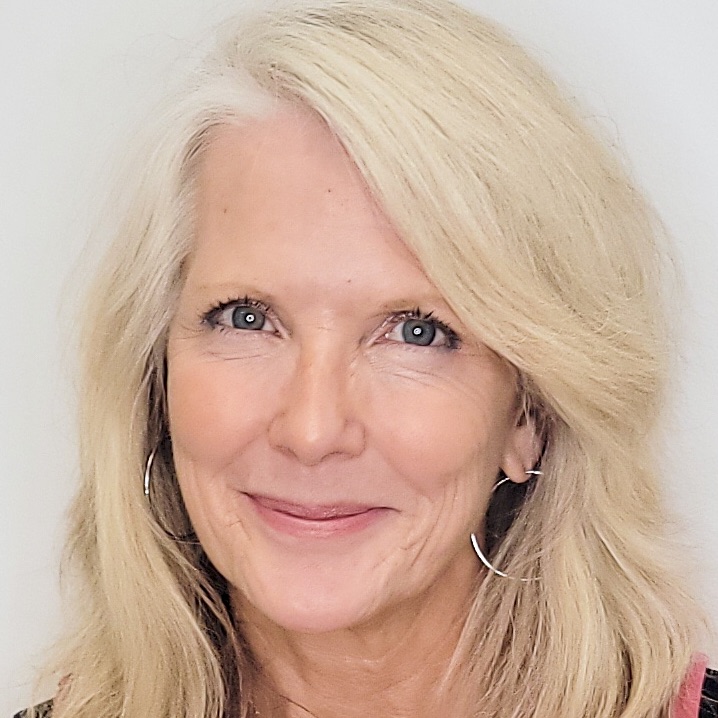
MARGARET HANEY (Columbia University)
Dr. Margaret (Meg) Haney is a Professor of Neurobiology (in Psychiatry) at the Columbia University Irving Medical Center and the Director of the Cannabis Research Laboratory. Dr. Haney is internationally recognized for her expertise in cannabis and cannabinoids. She conducts placebo-controlled, human laboratory studies testing (1) potential treatment medications for Cannabis Use Disorder, and (2) the therapeutic effects of cannabis and its constituents. Dr. Haney’s research, continuously supported by the National Institute of Health since 1999, has resulted in over 185 publications. She is an Associate Editor for Cannabis and Cannabinoid Research, an Advisory Editor for Psychopharmacology, has participated in several NIH advisory councils, is an elected Fellow at the American College of Neuropsychopharmacology, and is a past President of the College on Problems of Drug Dependence (2019). Her contributions to research have been recognized by both the Center for Medicinal Cannabis Research and by the College on Problems of Drug Dependence.
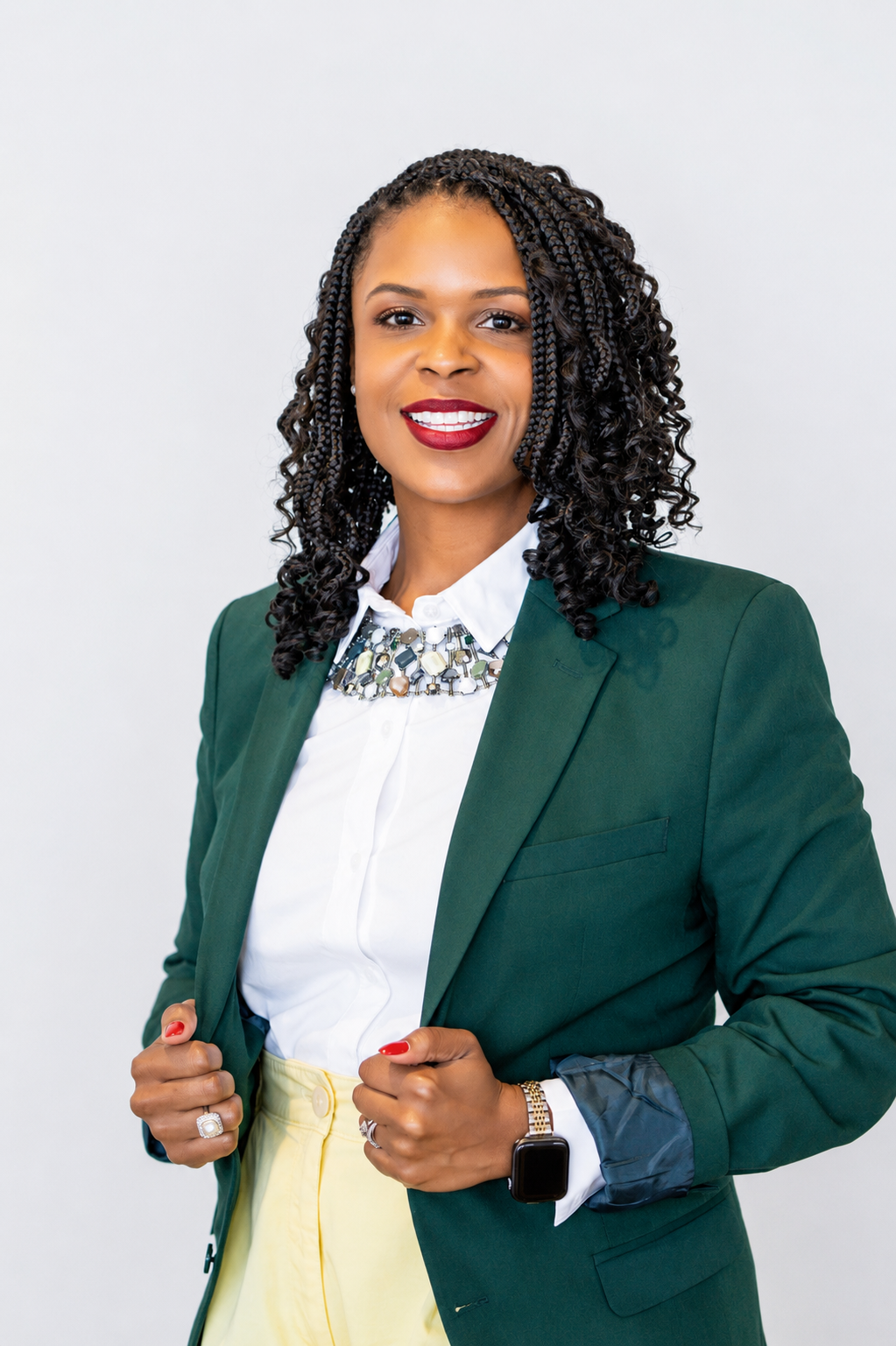
DEJUNNE’ CLARK JACKSON (The Center for Literacy and Learning)
DeJunne’ Clark Jackson is an education professional with over two decades of experience working on behalf of children, families, and communities. From early childhood development to college matriculation, DeJunne’ Clark Jackson has served a host of students – helping them to become successful in their educational pursuits. Among other achievements, she holds the following academic accomplishments: Bachelor of Arts - Political Science and Sociology; Master of Arts - Counseling and Guidance; Master of Arts in Teaching – Early Childhood Education (PK-3); Master of Education – Dyslexia Therapy. She has worked in the capacities of college disabilities facilitator, classroom teacher, school counselor, student services coordinator, literacy specialist, dyslexia therapist, advocate, and national speaker. DeJunne’ currently serves as President at The Center for Literacy & Learning, a 501c(3) Louisiana-based nonprofit literacy organization with a focus on Science of Reading support. Her leadership also includes serving as president of The Reading League Louisiana and state leader of Decoding Dyslexia Louisiana. DeJunne’ has the honor of working alongside the Louisiana Department of Education’s through various dyslexia initiatives, chair of the Louisiana Literacy Advisory Commission, and member of the Special Education Advisory Panel. She is the co-author of The Speech Language Pathologist’s Guide to Dyslexia and the founder of Learning Fundamentals Educational Therapy & Consulting. DeJunne’ is a Certified Academic Language Therapist, only one of three credentialed Association of Educational Therapists in the state of Louisiana. She is most impassioned about the advocacy she has curated surrounding dyslexia awareness, reading instruction, and family engagement. As the parent of a child with dyslexia, DeJunne’ is on a mission to spread awareness to parents and schools, advocate for appropriate identification and remediation needs within the school setting, and the fair treatment of and appropriate access to education for all children. Her love of teaching, compassionate spirit, awareness of public policies/laws, and desire for learning have aided in her divine path through a variety of destinations. DeJunne' specializes in training and awareness development for parents, educators, and employers surrounding neurodiversity and equity, offering proven cooperative strategies and methods for inclusivity. Her transformative conversations help everyday people gain the baseline knowledge needed to affect change. DeJunne’ has been very fortunate to share her story nationally through a number of podcasts, conferences, webinars, and summits. Her mission is simple -- Educate, Equip, and Empower.
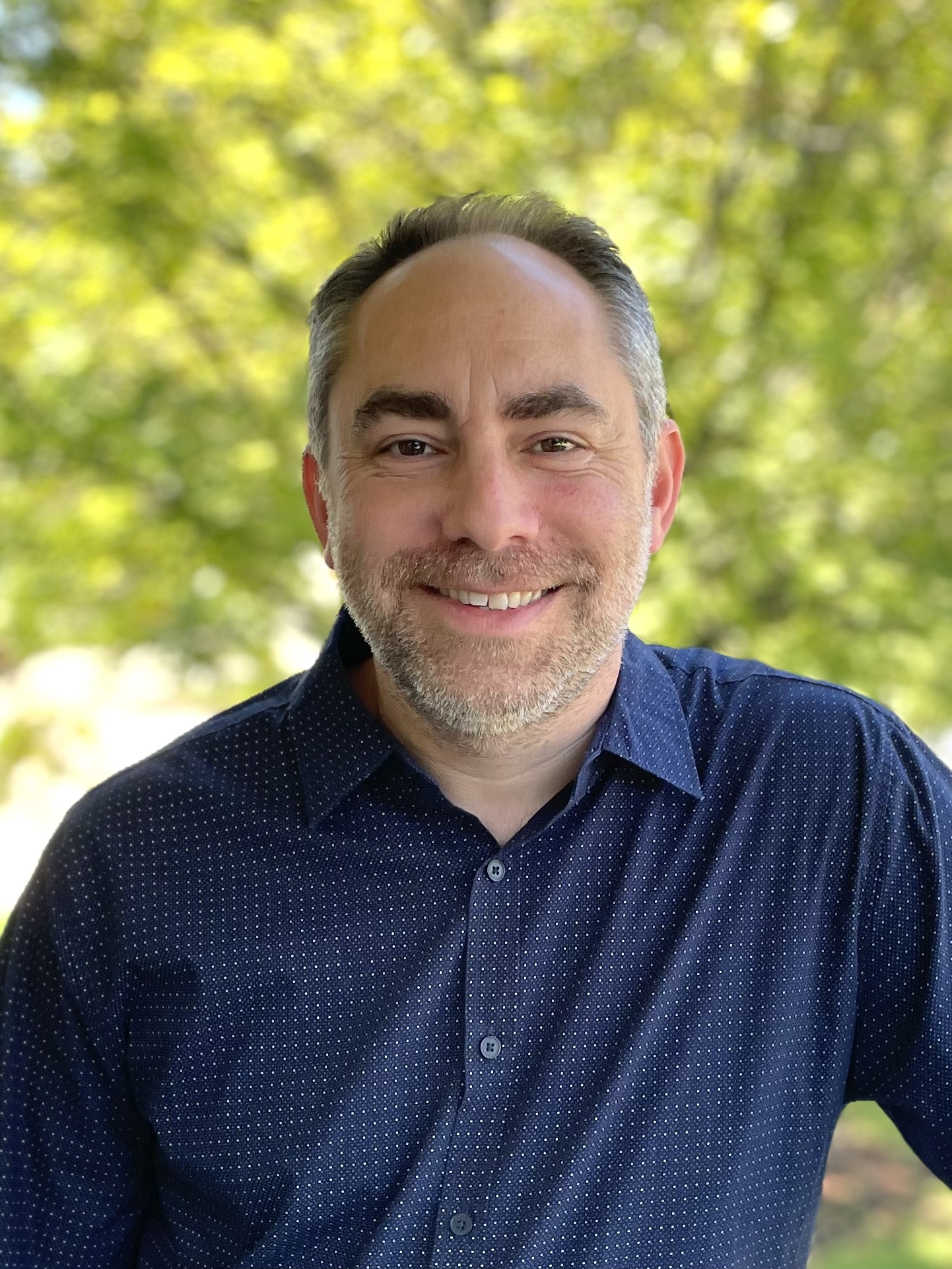
DAN KENNEDY (Indiana University)
Dan Kennedy is a Professor in the Department of Psychological and Brain Sciences at Indiana University and Director of IU’s Imaging Research Facility. He received his Ph.D. in Neurosciences from UC San Diego and completed postdoctoral training at Caltech. His research examines the neural, cognitive, and behavioral mechanisms that support human social behavior, with a particular emphasis on how these mechanisms may differ in autism and vary across individuals more generally. He uses advanced eye tracking and neuroimaging methods together with increasingly naturalistic stimuli and contexts that better reflect real-world complexity and the demands of social interaction—for example, using mobile eye tracking to measure parent-child coordination during toy play, examining the dynamics of eye contact during face-to-face conversation, and measuring variation in gaze and brain activity while people view television sitcoms. He is especially looking forward to engaging with new perspectives at ABAI and building new interdisciplinary connections with researchers and practitioners.
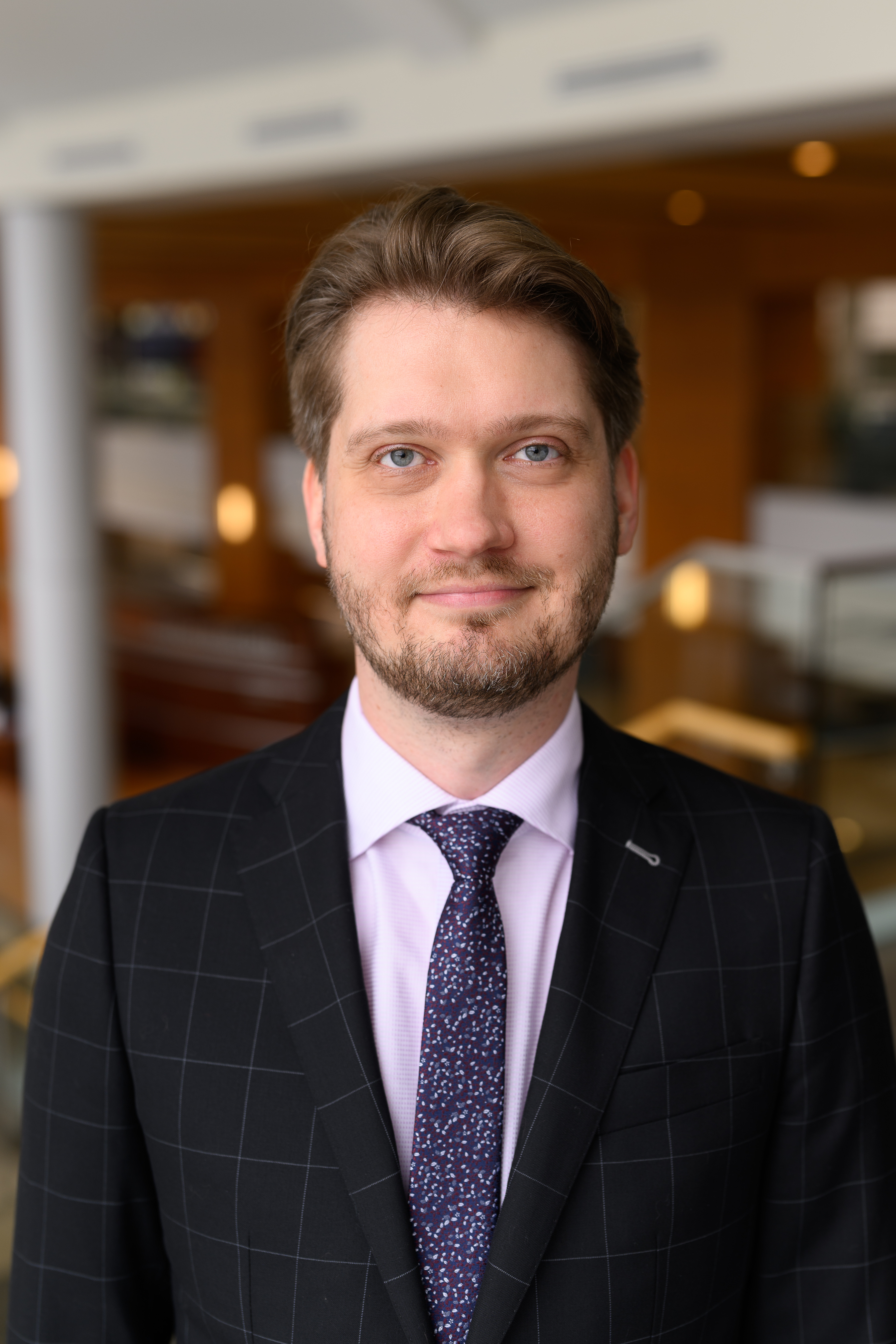
MIKHAIL KOFFARNUS (University of Kentucky College of Medicine)
Dr. Koffarnus is Director of the Healthier Futures Lab and Professor and Vice Chair for Research in the Department of Family and Community Medicine at the University of Kentucky. He completed his MS and PhD degrees in Biopsychology from the University of Michigan and a Post-Doctoral Fellowship in the Behavioral Pharmacology Research Unit at Johns Hopkins University. Dr. Koffarnus researches behavioral economic methodology and behavioral economic approaches to advancing tobacco policy and the treatment of substance use disorders. He is currently a co-principal investigator of AppalTRUST, the University of Kentucky Tobacco Center on Regulatory Science (TCORS). Dr. Koffarnus is a Fellow of the American Psychological Association and currently serves on the editorial board for
Experimental and Clinical Psychopharmacology and Psychology of Addictive Behaviors.

JUDI KOMAKI (The City University of New York)
Judith L. Komaki, Ph.D., Professor Emerita at Baruch College, CUNY. Her work in industrial/organizational psychology brings applied behavior analysis into workplaces ranging from manufacturing plants to emergency medical services and the U.S. Marines. Komaki’s research, supported by the National Institute for Occupational Safety and Health and the Army Research Institute, has addressed customer service, preventive maintenance, and leadership. Formerly on the faculties of Purdue University and CUNY, she has published in the
Journal of Applied Psychology, Organizational Dynamics, and
The Nation and is the author of Leadership from an Operant Perspective. Since retiring, Komaki has increasingly turned her attention to prevention—first sexual abuse and, most recently, harmful police encounters. At ABAI, she will share her efforts to engage decision-makers in creating reward-based cultural systems for employees and for the supervisors and leaders responsible for their success.

SUZANNE MITCHELL (Oregon Health & Science University)
Suzanne H. Mitchell, Ph.D., is a Professor at Oregon Health & Science University (OHSU). She obtained her Ph.D. from the State University of New York at Stony Brook, examining the economics of foraging behavior of rats. During a post-doctoral fellowship at the University of Chicago, Dr. Mitchell used behavioral economics to understand substance use in humans. Dr. Mitchell moved her lab to OHSU in 2001 from the University of New Hampshire to devote more time to research examining links between delay discounting and substance use using human and animal models. Most recently she has returned to her earlier interests in energetic costs of behavior and has focused her research on effort-related decision-making in clinical populations and understanding the genetic bases of choice. She is currently the Editor-in-Chief for the Journal of the Experimental Analysis of Behavior, and a Past-President of the Society for the Quantitative Analysis of Behavior.
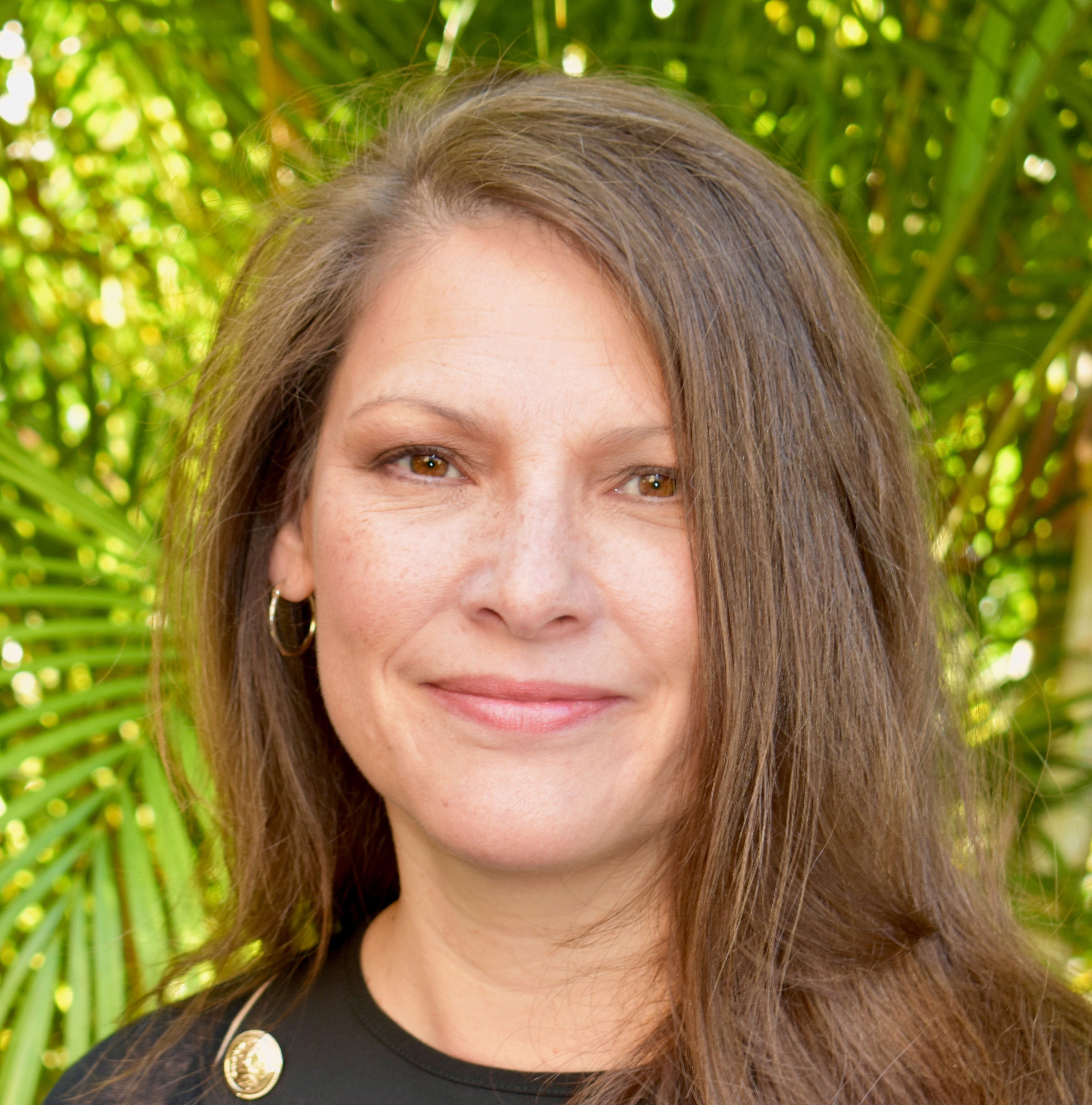
RISA NASAKE-RICHARDSON (James A Haley Veterans’ Hospital; University of South Florida)
Dr. Risa Nakase-Richardson is the Chief of Staff for Research and Development at the Tampa VA and Professor in the Departments of Neurosurgery at the University of South Florida. She is a Fellow of the American Congress of Rehabilitation Medicine and National Academy of Neuropsychology. She has authored 189 peer-reviewed publications including 3 clinical guidelines and position statements endorsed by AAN and ACRM. She has served as Guest Editor on four special issues on topics of sleep and TBI, disorders of consciousness, military TBI, and Implementation Science. Dr. Richardson has served as PI or Investigator on 24 grants funded by various federal agencies and private organizations including VA, DOD, PCORI, NIH, NIDILRR, and NAN. She currently serves as the overall PI for the only DOD Focused Program Award using implementation science and community-based participatory research to improve the quality of healthcare for people with TBI-related disability (
Visit ihealbrain.org).
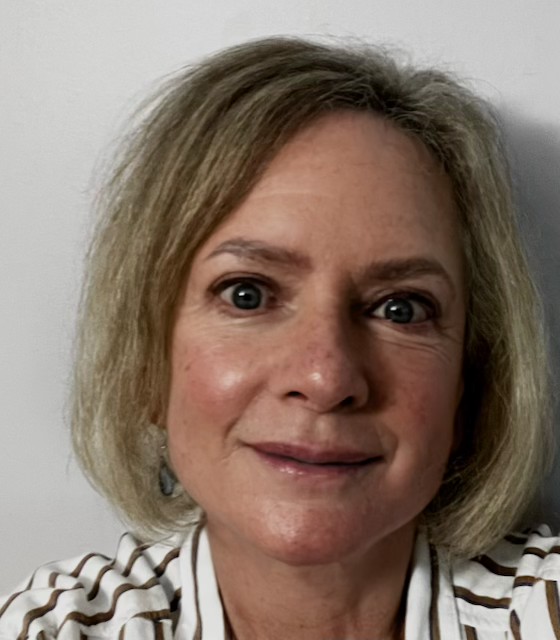
NANCY ANN NEEF (The Ohio State University)
Nancy A. Neef, Ph.D., is Professor Emeritus and Academy Professor at The Ohio State University. She has authored numerous articles, books, chapters, and curricula, with an emphasis on translational research spanning natural, educational, and rehabilitation contexts. Her scholarship has contributed to both the advancement of behavioral theory and the development of practices to improve processes and outcomes across diverse human and nonhuman populations and settings. Her leadership contributions have included serving as Editor of the Journal of Applied Behavior Analysis, along with extensive professional and volunteer service, including work in wildlife rescue and rehabilitation. Her contributions have been recognized with numerous honors, including the American Psychological Association Division 25 Outstanding Applied Research Award and Fred S. Keller Education Award and the Association for Behavior Analysis International (ABAI) Outstanding Mentor Award. She is a Fellow of ABAI and an inductee in the Women in Behavior Analysis Hall of Fame.
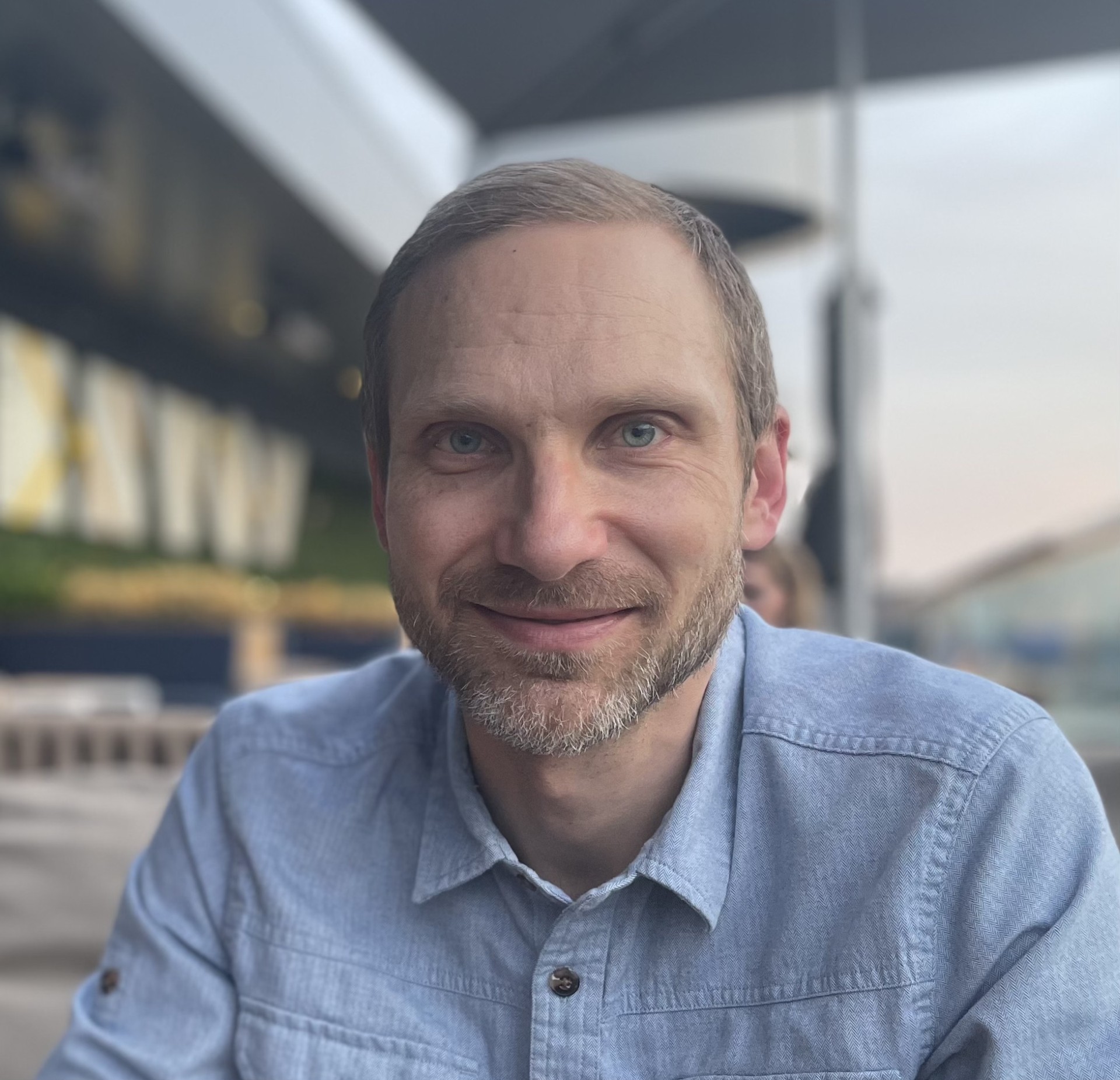
CHRISTOPHER PODLESNIK (University of Florida)
Alexandra (Sasha) Protopopova, PhD, CAAB, is an associate professor in the Animal Welfare Program at the University of British Columbia. Sasha’s research aims are to learn more about 1) how dogs see the world and how we can best support them, 2) what roles animal shelters play in society and how we can improve pet support services, and 3) what rabbits need in confinement to live a good life. Sasha earned an MSc and a PhD in Behavior Analysis from the University of Florida with Drs. Clive Wynne and Brian Iwata. She runs an active research lab with several postdoc fellows and multiple graduate students resulting in a current count of 60 publications and a few book chapters. Sasha spends her days conducting research, teaching university classes in animal learning and animal sheltering, learning partnered acrobatics, and cuddling dogs when she can find them.
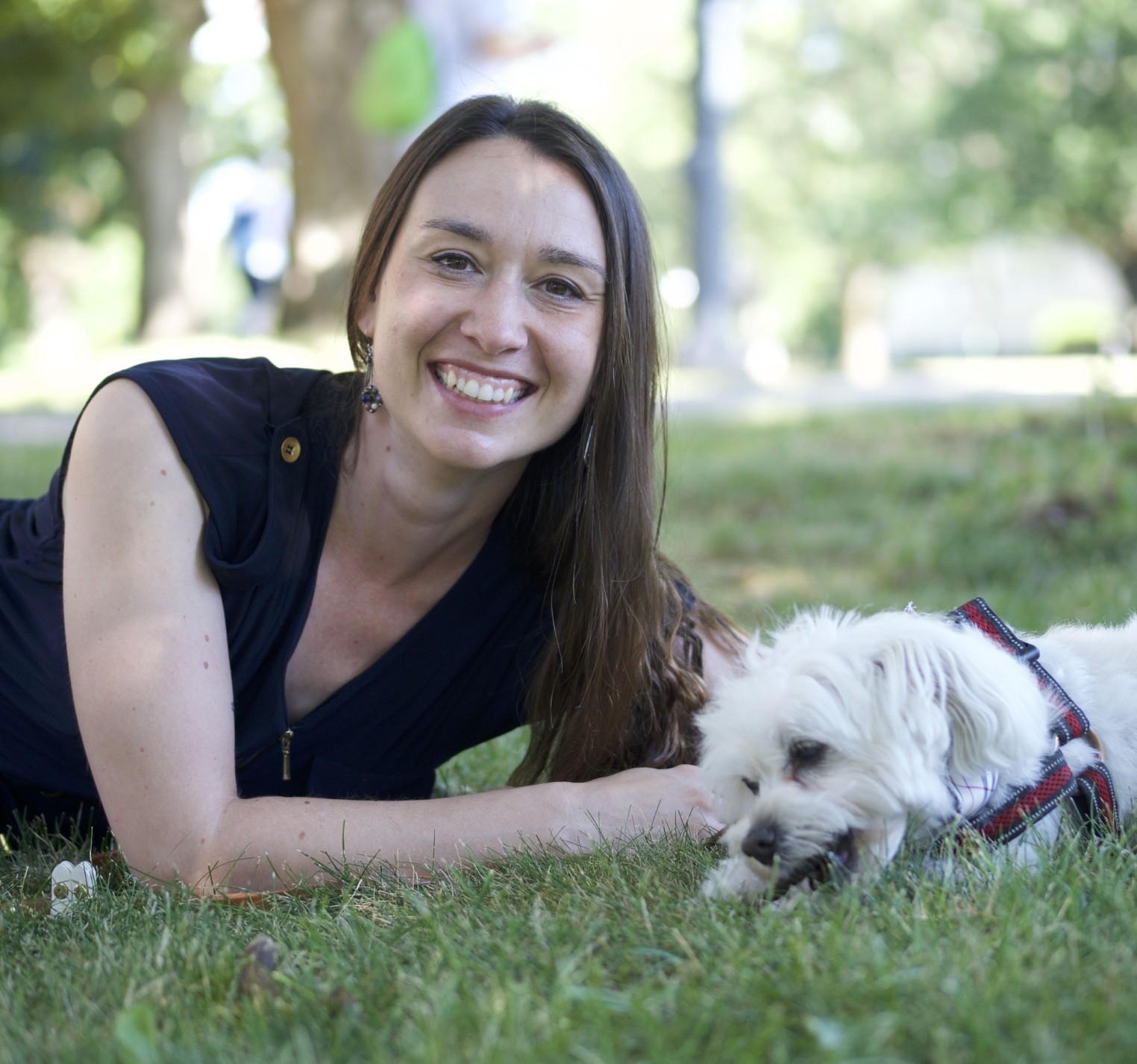
ALEXANDRA PROTOPOPOVA (The University of British Columbia)
Alexandra (Sasha) Protopopova, PhD, CAAB, is an associate professor in the Animal Welfare Program at the University of British Columbia. Sasha’s research aims are to learn more about 1) how dogs see the world and how we can best support them, 2) what roles animal shelters play in society and how we can improve pet support services, and 3) what rabbits need in confinement to live a good life. Sasha earned an MSc and a PhD in Behavior Analysis from the University of Florida with Drs. Clive Wynne and Brian Iwata. She runs an active research lab with several postdoc fellows and multiple graduate students resulting in a current count of 60 publications and a few book chapters. Sasha spends her days conducting research, teaching university classes in animal learning and animal sheltering, learning partnered acrobatics, and cuddling dogs when she can find them.
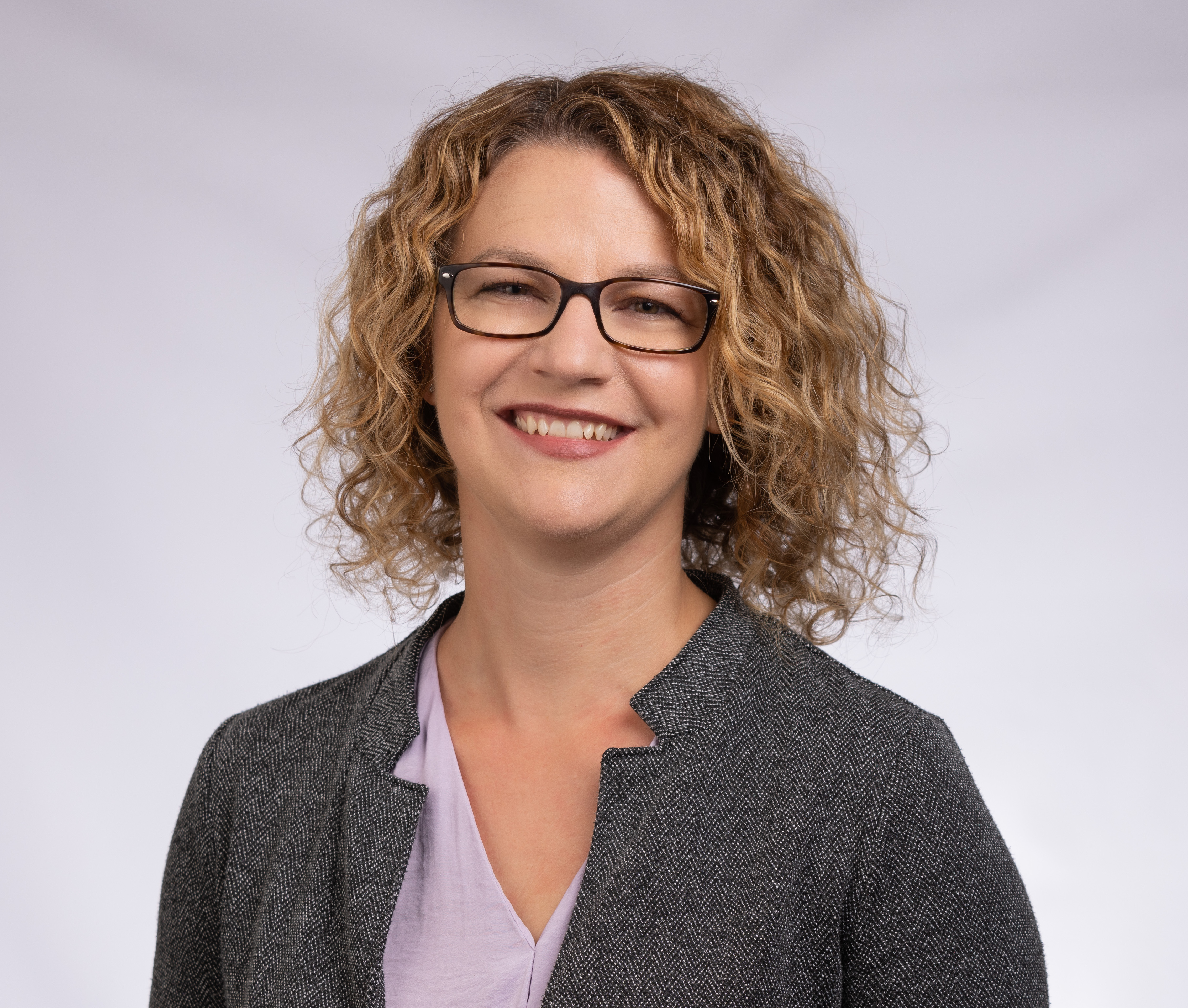
SHARLET D. RAFACZ (Western Michigan University)
Dr. Sharlet Rafacz is an Associate Professor in the Department of Psychology at Western Michigan University and a member of the Industrial Organizational Behavior Management Program faculty. Her research in Organizational Behavior Management focuses on rule-governed behavior, financial incentive systems, and changing aversive work conditions to improve cooperation, productivity, and job satisfaction. She also conducts research on improving health and wellbeing in the workplace and increasing healthy food choices by children and adults at home, schools, restaurants, and grocery stores. Dr. Rafacz has published her research in several journals including Perspectives on Behavior Science, The Psychological Record, and the Journal of Organizational Behavior Management. She has served on several professional boards and is currently on the editorial board for the Journal of Organizational Behavior Management and is the Chair for the Research and Education Committee for the Organizational Behavior Management Network.
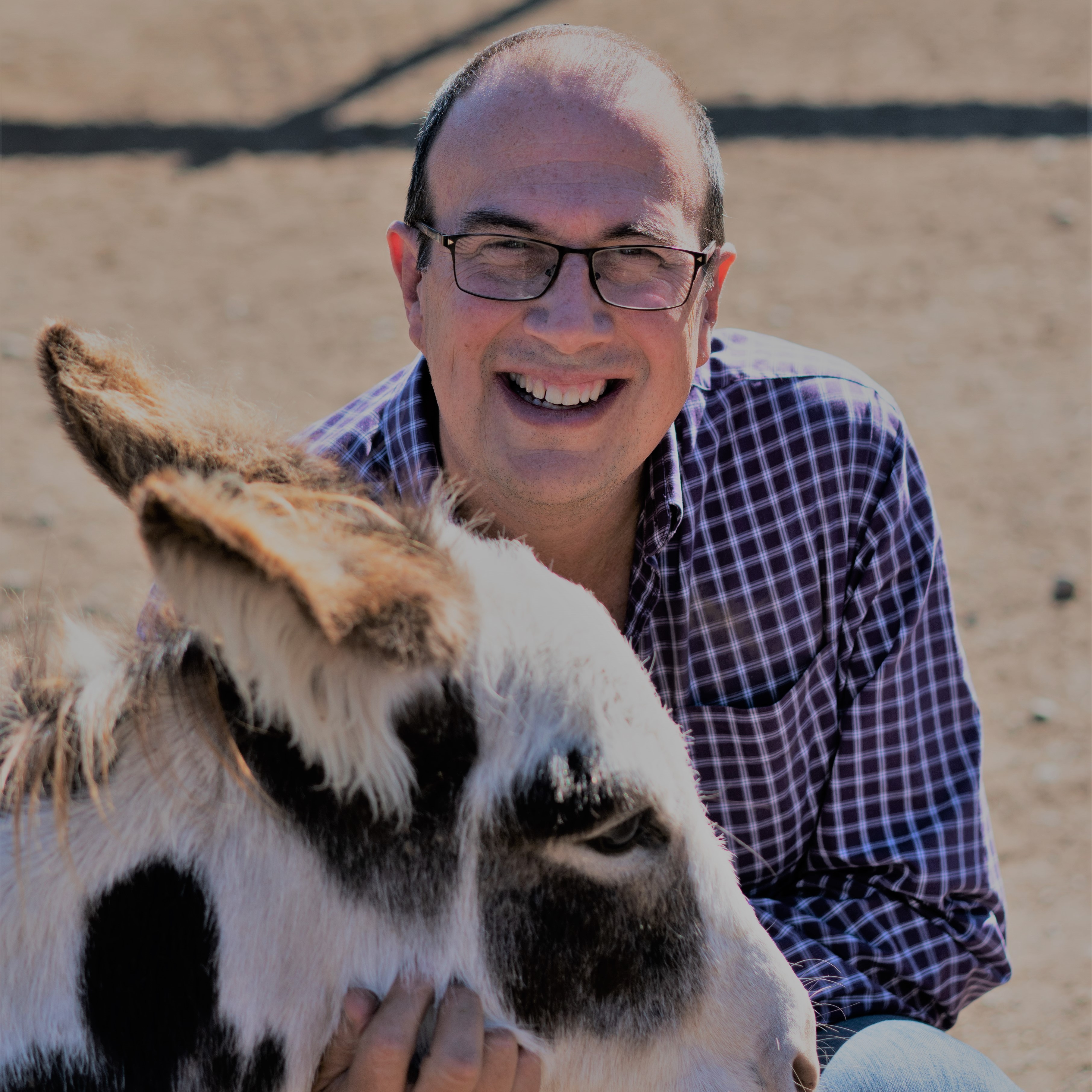
KENNETH T. RAMIREZ (Karen Pryor Clicker Training)
Ken Ramirez is the Chief Training Officer at Karen Pryor Clicker Training where he helps to oversee the vision, development and implementation of training education programs for the organization.
Previously, Ken served as EVP of animal care and animal training at Chicago's Shedd Aquarium, where he developed and supervised animal care and animal health programs for more than 32,000 animals. He worked at Shedd Aquarium for over 25 years.
A 50+ year veteran of animal care and training, Ramirez is a biologist and animal behavior specialist who has overseen or consulted on training projects for many zoological organizations throughout the world as well as professional dog programs.
Ramirez has been active in many professional training organizations. He taught a graduate course on animal training at Western Illinois University for 20 years. Ramirez has written for numerous scientific publications and authored countless popular articles. He authored the book
ANIMAL TRAINING: Successful Animal Management through Positive Reinforcement, published in 1999. His most recent book
The Eye of the Trainer: Animal Training, Transformation, and Trust, was published in 2020.
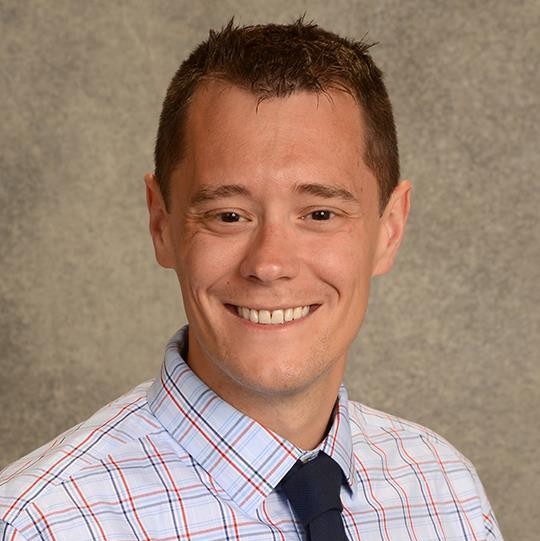
PATRICK ROMANI (Ann & Robert H. Lurie Children's Hospital of Chicago)
Dr. Patrick Romani is a licensed psychologist and Board-Certified Behavior Analyst-Doctoral (BCBA-D) whose career has focused on improving care for individuals with severe aggression and other complex behavioral challenges in hospital settings. His clinical, administrative, and scholarly work centers on integrating evidence-based behavioral therapies into multidisciplinary healthcare systems and fostering collaborative partnerships that improve patient outcomes. Dr. Romani serves as Associate Director for Clinical Affairs in the Department of Psychiatry and Behavioral Health at Ann & Robert H. Lurie Children's Hospital of Chicago, where he leads initiatives to expand specialized behavioral health services for youth with neurodevelopmental disorders. His work emphasizes workforce development, program implementation, quality improvement, and increasing access to behavior-analytic services. He has authored more than 50 peer-reviewed publications and serves in editorial leadership roles for several behavior-analytic journals, including as Associate Editor for
Behavior Analysis: Research and Practice and
Journal of Behavioral Education.
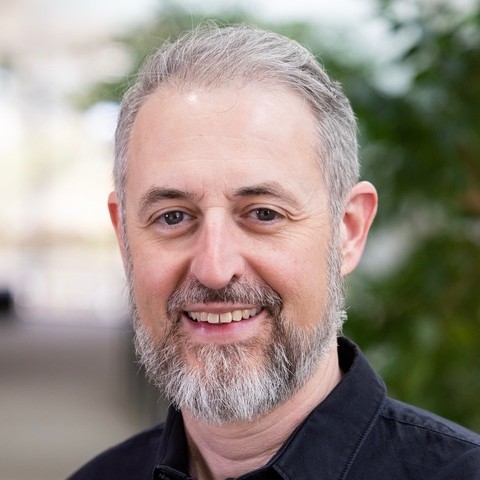
TIMOTHY A. SHAHAN (Utah State University)
Dr. Shahan received his Ph.D. in Psychology from West Virginia University in 1998. He was a postdoc at the University of Vermont, and then a Research Assistant Professor at the University of New Hampshire. He is presently a Professor of Psychology at Utah State University. He was the recipient of the 2006 B.F. Skinner Young Researcher Award and the 2023 Distinguished Contribution to Basic Behavior Analysis Award, both from Division 25 of APA. Over the years, Dr. Shahan’s research has focused on quantitative analyses of attention and conditioned reinforcement, behavioral momentum, choice, relapse, and reconstructing our understanding of operant conditioning without reinforcement. His work has been supported for more than 25 years by various institutes at NIH including NIMH, NIAAA, NIDA, and NICHD. Dr. Shahan is a Fellow of ABAI and has served as an Associate Editor and Guest Editor for the
Journal of the Experimental Analysis of Behavior, president of the Society for the Quantitative Analyses of Behavior, and chair of the Biobehavioral Regulation, Learning and Ethology study section at NIH.

NOOR YOUNUS SYED (SUNY Empire State College; Anderson Center International; Endicott College)
Dr. Noor Syed (she/her) is an Associate Professor of Applied Behavior Analysis, as well as the founding Director of the Center for Autism Advocacy: Research, Education, and Supports (CAARES) with SUNY Empire State University. She supported the launch of and coordinated a Masters of Science in ABA with SUNY Empire, in which a core tenet is affirming, responsive practice. Dr. Syed has also been named the Turben Director of Autism Advocacy with CAARES, whose primary initiative is to help SUNY Empire become a fully inclusive and supportive college for those who identify as neurodiverse through a multi-tiered system of support framework. The university was designated an Autistic Supportive™ institution in 2022. In addition, Dr. Syed is the Advisor for Global Impact and Strategy with Anderson Center International, an organization dedicated to providing training in evidenced-based strategies for scholars from under-resourced areas globally, and is President of the New York State Association for Behavior Analysis. She is a Doctoral Advisor in ABA with Endicott College, and is a certified general and special education teacher.
Dr. Syed serves on the ABA Ethics Hotline, on the Scientific Council with the Organization for Autism Research, and is a Trustee with the Cambridge Center for Behavioral Studies. She received her undergraduate degree in behavior analysis under Dr. Raymond G. Romanczyk in the Institute of Child Development at Binghamton University and completed her PhD in ABA with Dr. R. Douglas Greer at Teachers College, Columbia University. Dr. Syed has consulted with and supported autism centres around the world, including in Uganda, India, and Saudi Arabia, and has spoken about autism with the United Nations. Noor is Neurodiverse and came to this work because of her beloved cousin who was born with significant intellectual, developmental, and physical disabilities.
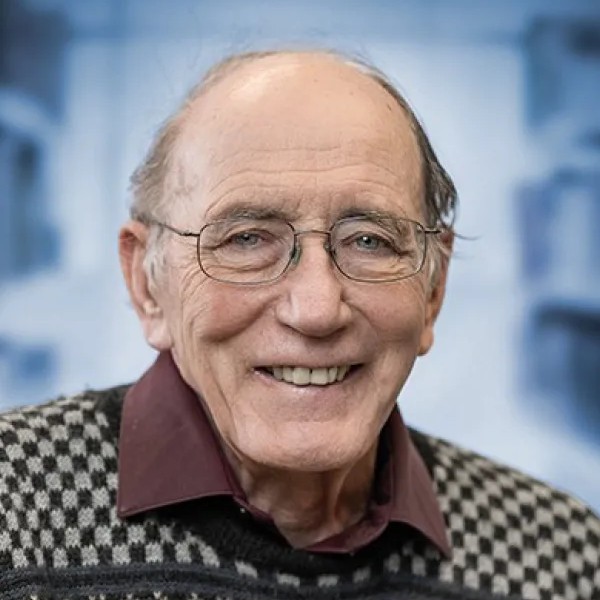
LONNIE G. THOMPSON (The Ohio State University)
Lonnie G. Thompson is a Distinguished University Professor in the School of Earth Sciences and a Research Scientist in the Byrd Polar Research Center at The Ohio State University. His research has propelled the field of ice core paleoclimatology out of the Polar Regions to the highest tropical and subtropical ice fields. He and the OSU team have developed light-weight solarpowered drilling equipment for acquisition of histories from ice fields in the tropical South American Andes, the Himalayas, and on Kilimanjaro. These paleoclimate histories have advanced our understanding of the coupled nature of the Earth’s climate system. Special emphasis has been placed on the El Niño and monsoon systems that dominate the climate of the tropical Pacific and affect global-scale oceanic and atmospheric circulation patterns. His observations of glacier retreat over the last three decades confirm that glaciers around the world are melting and provide clear evidence that the warming of the last 50 years is now outside the range of climate variability for several millennia, if not longer. He has published 245 peer-reviewed publications including several in the journal Science, led 63 field programs, and secured 76 research grants as either the PI or as a Co-PI. Lonnie has been recognized with many honors and awards including the National Medal of Science, the Tyler Prize (the World Prize for Environmental Achievement), and the Dan David Prize. In addition, he is a Fellow of the American Geophysical Union and the American Association for the Advancement of Science, and an elected member of the American Philosophical Society and the National Academy of Sciences.
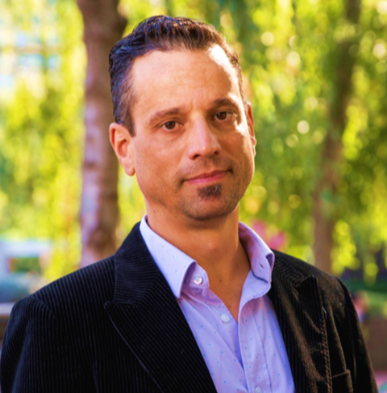
MATT TINCANI (Temple University)
Matt Tincani, PhD, BCBA-D focuses on the application of behavioral principles to improve outcomes for people with disabilities and other special learning needs. His interests include systematic reviews of behavior science research, teaching job-related skills to neurodivergent people, smart technologies to improve special education, single-case designs, meta science, and open science. His recent work has explored questionable and improved research practices in single-case designs. He currently serves on the editorial boards of the Journal of Positive Behavior Interventions, the Journal of Special Education Technology, and Focus on Autism and Other Developmental Disabilities, and as consulting editor to Education and Training in Developmental Disabilities. He has also served in several prominent regional and national leadership roles, including as Appointee to the Nevada Governor's Councils on Development Disabilities and Autism, and as founding president of the Positive Behavior Support SIG of the Association for Behavior Analysis International. He has published over 85 scholarly publications, including the books
Classroom Management and Positive Behavior Support (2nd edition; Routledge) and
Adults with Autism Spectrum Disorders, Evidence-Based and Promising Practices (Guildford Press). He is currently co-principal investigator of a $2.3 million NSF-funded research project to explore support for people with neurodevelopmental disorders in attaining employment in information technology fields.
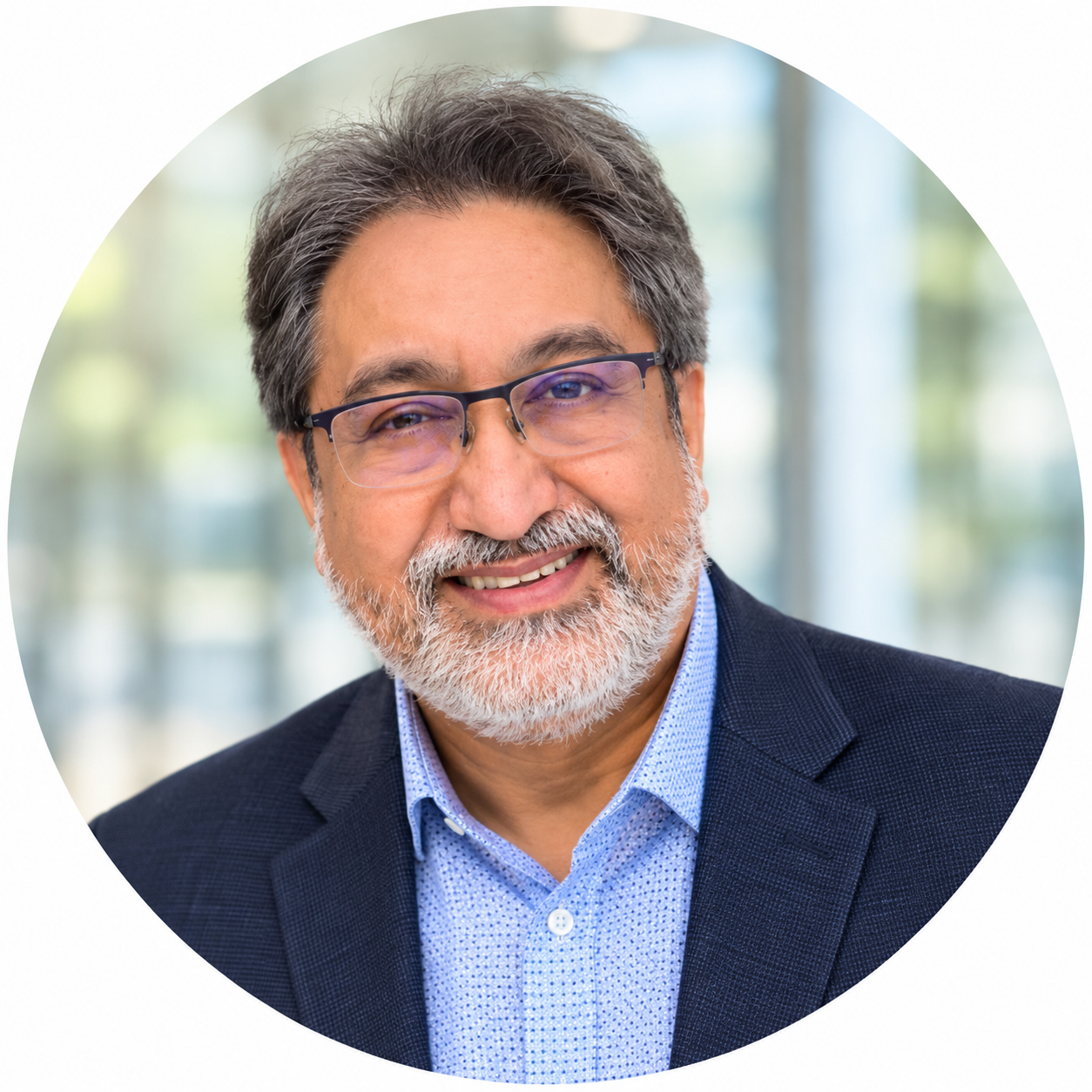
MANISH VAIDYA (Institute for Behavior Science and Technology in Rehabilitation; HabTools, Inc.)
Manish Vaidya, Ph.D., is Executive Director of the Institute for Behavior Science and Technology in Rehabilitation and CEO of HabTools, Inc., where he works at the intersection of behavior analysis, rehabilitation, and technology. He trained under the direction of Janet Ellis, Sigrid Glenn, and Tim Hackenberg. After a brief post-doc at the University of Kansas, he spent 23 years on the University of North Texas faculty, chairing its Department of Behavior Analysis from 2018 to 2023. His scholarly work spans experimental and translational behavior analysis, with recent research examining surface electromyography and behaviorally designed feedback systems to improve muscle activation during rehabilitation. His work has appeared in JEAB, JABA, and Applied Psychophysiology and Biofeedback, and he served as Associate Editor of JEAB from 2020 to 2023. His current work focuses on translating principles of behavior into technologies that make physiological performance measurable and support the design of effective contingencies of reinforcement for learning and rehabilitation.
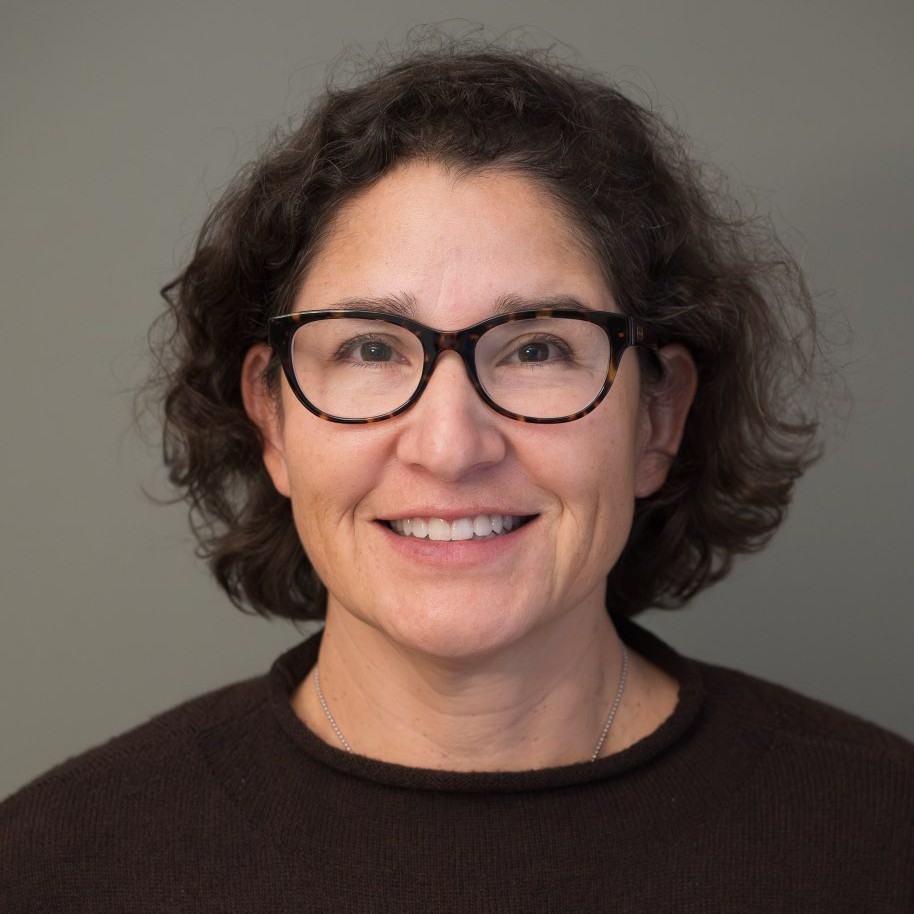
MARIA G. VALDOVINOS (Drake University)
Maria Valdovinos is the Ellis and Nelle Levitt Distinguished Professor of Psychology at Drake University. She received her doctorate in Developmental and Child Psychology from the University of Kansas and completed post-doctoral work at Vanderbilt University's Kennedy Center for Research on Human Development. Her work in residential and day treatment settings with adults with intellectual and developmental disabilities prompted her research examining pharmacological treatment of challenging behavior and best practices regarding psychotropic treatment. Dr. Valdovinos is a Board Certified Behavior Analyst-Doctoral level, Fellow of the American Association on Intellectual and Developmental Disabilities and of the American Psychological Association’s Division 33 Intellectual and Developmental Disabilities/Autism Spectrum Disorder. Dr. Valdovinos serves on the editorial boards of the International Journal of Developmental Disabilities, Perspectives on Behavior Science, and Research and Practice for Persons with Severe Disabilities and on the Board of Behavioral Health Professions for the State of Iowa representing licensed behavior analysts.