"Evidence-Based Practice:" Improvement or Illusion?
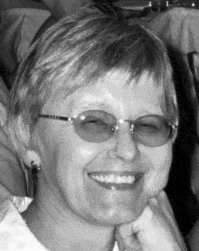 Gina Green, Ph.D., BCBA, San Diego State
University
Gina Green, Ph.D., BCBA, San Diego State
University
"Evidence-based practice" has become a popular buzz-phrase
recently. Several groups have developed autism practice guidelines
that are described as "evidence-based," and that phrase is being
used to market many interventions. Some laws and policies even
mandate that practices be "evidence-based." This would seem to be a
good thing for behavior analysts and consumers of ABA services. But
is it? Although "evidence-based practice" originally referred to
practices that have proved effective in scientific studies,
developers of some autism practice guidelines have defined
"evidence" to include information that is not scientific at all. A
number of others have defined science in a way that excluded most
behavior analytic research. And some interventions that are being
promoted as "evidence-based" have not been tested directly in
anything resembling scientific studies. In light of these multiple,
confusing usages, how are parents and practitioners to know whether
they can have confidence in recommendations that are said to be
"evidence-based?" Which of the many autism practice guidelines are
grounded in real science? Why has the science of behavior analysis
been ignored by so many guidelines developers, and what can be done
about that? What is the best available scientific evidence about
various interventions for autism? This presentation offers some
answers to these questions, and some suggestions for using genuine
scientific evidence to improve the practice of behavior
analysis.
Dr. Gina Green received a Ph.D. in Psychology (Analysis of
Behavior) from Utah State University in 1986, following
undergraduate and master's degree studies at Michigan State
University. She has been a faculty member in Behavior Analysis and
Therapy at Southern Illinois University; Director of Research at
the New England Center for Children in Southborough, Massachusetts;
Associate Scientist at the E.K. Shriver Center for Mental
Retardation in Waltham, Massachusetts; and Research Associate
Professor of Psychiatry and Pediatrics, University of Massachusetts
Medical School. Dr. Green is currently in private practice in San
Diego as a consultant and is on the faculty at San Diego State
University and the University of North Texas. She has authored
numerous publications on the treatment of individuals with
developmental disabilities and brain injuries, as well as the
experimental analysis of behavior. Dr. Green co-edited the books
Behavioral Intervention for Young Children with Autism and
Making a Difference: Behavioral Intervention for Autism.
She serves or has served on the editorial boards of several
professional journals in developmental disabilities and behavior
analysis. Dr. Green also serves on the Board of Trustees and the
Autism Advisory Group of the Cambridge Center for Behavioral
Studies, the Board of Directors of the Behavior Analyst
Certification Board, and the advisory boards of several autism
programs and organizations. She is a Board Certified Behavior
Analyst, former president of the Association for Behavior Analysis
and the California Association for Behavior Analysis, and a Fellow
of the American Psychological Association and the Council for
Scientific Medicine and Mental Health. Psychology
Todaynamed her "Mental Health Professional of the Year" in
2000. In 2005 she received an honorary Doctor of Science degree
from The Queen's University of Belfast, Northern Ireland for her
work in autism. Dr. Green lectures and consults widely on autism
and related disorders, behavioral research, and effective
interventions for people with disabilities.
BACB/APA CE credits offered for this
event