Comprehensive ABA Programming: Matching Learner Needs with
Instructional Strategies
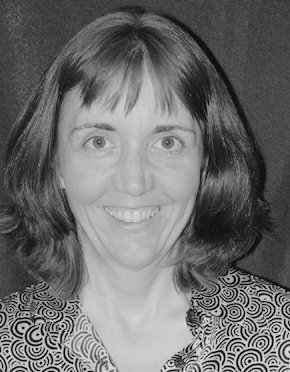 Mary Jane Weiss, Ph.D., BCBA, Rutgers
University
Mary Jane Weiss, Ph.D., BCBA, Rutgers
University
In recent years, there has been a proliferation of instructional
techniques for teaching students with autism. Even within ABA,
there are many different instructional approaches which can be used
effectively to teach skills to students. Educators and parents can
be confused with the array of options, and can have difficulty
deciding on which approach to use in a given educational context.
This presentation will summarize different ABA approaches for
teaching skills, and will highlight the potential relevance and
utility of each approach. Specifically, well-documented methods
which will be covered include discrete trial instruction,
incidental teaching, and other naturalistic strategies. In
addition, some promising directions which have become clinically
prevalent in recent years will also be discussed, including the use
of the Verbal Behavior classification system and rate-building to
achieve fluency. The presentation will highlight the unique
applications and specific advantages of each approach. It will also
summarize how the use of multiple methods of instruction results in
a more comprehensive program, thereby meeting the needs of learners
in more complete and efficient ways.
Mary Jane Weiss received her Ph.D. in Clinical Psychology from
Rutgers University in 1990. She became a Board Certified Behavior
Analyst in 2000. She is an Associate Research Professor at Rutgers
University, and she is the Director of Research and Training at the
Douglass Developmental Disabilities Center at Rutgers University.
Her clinical and research interests center on defining best
practice ABA techniques, on identifying the specific utilities of
various instructional methodologies within ABA, on evaluating the
impact of ABA in learners with autism, and in maximizing family
members' expertise and adaptation. She has written numerous
articles and three books on autism, Right from the start:
Behavioral Intervention for young children with autism
(co-authored with Sandra Harris, 2nd edition 2007), Reaching
out, joining in: Teaching social skills to young children with
autism (co-authored with Sandra Harris, 2001), and Sibling
stories: Reflections on life with a brother or sister on the autism
spectrum (co-authored with Lynne Stern Feiges, 2004). She is
also a regular presenter at regional, national, and international
conferences on topics relevant to ABA and autism. She is currently
the President of the Autism Special Interest Group of the
Association for Behavior Analysis.
BACB/APA CE credits offered for this
event