Autism in the 21st Century
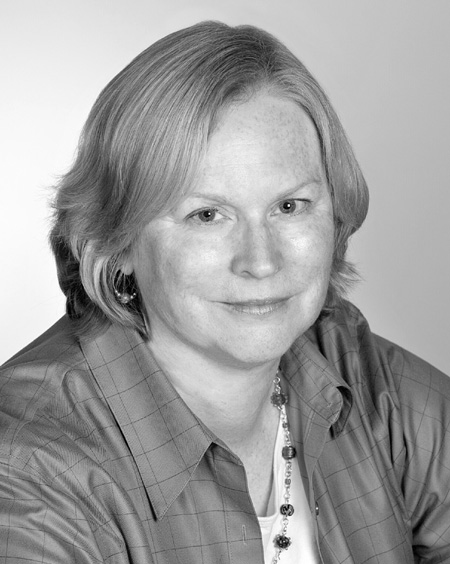 Catherine Lord, Ph.D., University of
Michigan
Catherine Lord, Ph.D., University of
Michigan
Dr. Lord will talk about recent theories and findings concerning
the nature of Autism Spectrum Disorders (ASDs) and their diagnosis
and treatment. The relationship and lack of relationships among
neurobiological research, descriptive studies, and response to
intervention will be discussed. New ways of thinking about ASDs and
the implications for planning and carrying out treatment and
educational approaches will be highlighted.
Dr. Catherine Lord, ABPP, is the director of the University of
Michigan Autism and Communication Disorders Center (UMACC), a
professor of psychology and psychiatry at the same institution, and
a Senor Research Professor at the Center for Human Growth and
Development. She completed degrees in psychology at UCLA and
Harvard, and a clinical internship at Division TEACCH at the
University of North Carolina at Chapel Hill.
Dr. Lord is a licensed clinical psychologist with specialties in
diagnosis, social and communication development, and intervention
in autism spectrum disorders (ASD). She is renowned for her work in
longitudinal studies of social and communicative development in
ASD. She was the Chair of the National Research Council (National
Academy of Sciences) Committee on the Effectiveness of Early
Intervention in Autism and is the author of the report, "Educating
Children with Autism." She has also been involved in the
development of standardized diagnostic instruments for ASD with
colleagues from the United Kingdom and the United States, that are
now considered the gold standard for research diagnoses all over
the world, including the Autism Diagnostic Observation Schedule
(ADOS), an observational scale, and the Autism Diagnostic Interview
- Revised (ADI-R), a parent interview.
Her work at UMACC involves (1) continued research in validity
and longitudinal studies, early diagnosis of children with autism,
and regression in children with autism; (2) clinical evaluations
and diagnoses of children and adults who may have autism; and (3)
training researchers and clinicians in the diagnosis of ASD.